 Skip to main content

Chartering a private jet typically costs about $2,000 to $19,000+ per flight hour, depending on aircraft class — from around $2,000–$3,500 an hour for a turboprop to $12,000–$19,000+ for an ultra-long-range jet (VIP airliners run higher). Most one-way domestic trips fall between roughly $7,000 and $65,000 for the whole aircraft. Positioning, taxes, airport fees and timing then move the final price, so always compare complete, itemized itinerary quotes — not hourly rates.
If you are wondering how much does it cost to charter a private jet, the honest answer is that there is no single price. A one-hour hop in a turboprop and a transatlantic flight in an ultra-long-range jet sit at opposite ends of a very wide spectrum. What you pay depends less on a headline hourly rate than on the whole itinerary: the aircraft, the distance, where the aircraft starts its day, which airports you use, and when you fly.
This guide breaks down the cost to charter a private jet by aircraft type, by hour, and on five popular routes. It also explains what is usually included, what is usually extra, and how to spend less. ZephyrJets is a charter broker, so flights are operated by independent, certificated air carriers and your real price will depend on live availability. Treat every figure below as a planning range and request an itemized quote for your exact trip.
Private Jet Cost Per Hour

Most operators price a charter from an hourly rate multiplied by billable flight time. That is why you will see the private jet charter cost per hour used as the starting point for almost every estimate. The table below shows indicative 2026 hourly ranges by aircraft category.
| Aircraft category | Example aircraft | Approx. passengers* | Indicative hourly rate (USD) | Typical use |
| Turboprop | King Air 350i, Pilatus PC-12 | 4–8 | $2,000–$3,500 | Short regional hops, smaller airfields |
| Very light jet | Phenom 100, HondaJet | 3–5 | $2,500–$4,000 | Quick city pairs, small groups |
| Light jet | Citation CJ3+, Learjet 75 | 5–7 | $3,000–$5,500 | Regional flights of 2–3 hours |
| Midsize jet | Hawker 800XP, Citation XLS+ | 7–9 | $4,000–$8,000 | Cross-country and 3–4 hour routes |
| Super-midsize jet | Challenger 350, Gulfstream G280 | 8–10 | $6,000–$10,500 | Transcontinental, limited international |
| Heavy jet | Gulfstream G450, Challenger 650 | 10–14 | $8,000–$15,000 | Long international legs |
| Ultra-long-range jet | Gulfstream G650, Global 7500, Falcon 7X | 12–18 | $12,000–$19,000+ | Nonstop intercontinental |
| VIP airliner | BBJ, ACJ | 19+ | $16,000–$23,000+ | Large groups, delegations, teams |
*Passenger capacity is approximate and aircraft-dependent. Cabin configuration, luggage, fuel load and runway length can all reduce the number of seats you can actually use. You can compare cabins in Zephyr Jets’ aircraft galleries.
Ranges overlap because the age of the airframe, the quality of its cabin refurbishment and the operator all move a specific aircraft toward the top or bottom of its category.
Light jet charter cost per hour
Light jets typically run about $3,000 to $5,500 per hour, with older aircraft near the bottom and newer or recently refurbished cabins near the top. They suit 2–3 hour regional trips and smaller airports, and they are the most-chartered category for first-time clients.
Midsize jet charter cost
The midsize jet charter cost usually falls between about $4,000 and $8,500 per hour at the top of the range for the newest types. Midsize cabins are wider and taller than light jet cabins (taller, though typically not full stand-up height), with enough range for most cross-country routes with a stop, or 3–4 hour nonstops.
Heavy jet charter cost per hour
Heavy jet charter cost per hour commonly ranges from $8,000 to $15,000, with ultra-long-range types — the aircraft used for nonstop intercontinental flying — at $12,000 to $19,000 or more. You are paying for a larger cabin, a flight attendant, full baggage capacity and range, not just seats.
Why hourly rates alone cannot predict your final quote
An hourly rate is a starting point, not a price. Several things sit on top of it or change how many hours you are billed for:
- Minimum billable time. Many operators set minimums per leg or per day, often around 1 to 2 hours, so a 40-minute hop can be billed as a longer flight.
- Positioning. If the aircraft is not based at your departure airport, the empty flight to reach you can be billable.
- Taxes and fees. US domestic charters generally carry a 7.5% federal excise tax and a per-passenger segment fee ($5.30 per passenger per segment in 2026), plus landing and handling charges at each airport.
- Trip shape. Overnight stays, multiple legs, and international permits all add costs that an hourly rate does not show.
Here is a hypothetical example — not a quote — showing how the same hourly rate produces very different totals. It assumes a light jet at $4,500 per hour, a 2-hour flight and four passengers. For simplicity the 7.5% excise tax is applied to the whole subtotal; in a real quote, which line items are taxable varies (airport-imposed fees and separately stated non-transportation items are generally treated differently), which is one more reason to read an itemized quote rather than a single total.
| Line item | Aircraft already at your airport | Aircraft repositions 1 hour |
| Base charter (2.0 hrs × $4,500) | $9,000 | $9,000 |
| Positioning (1.0 hr × $4,500) | none | $4,500 |
| Landing and handling (assumed) | $600 | $600 |
| Catering (assumed) | $300 | $300 |
| Subtotal | $9,900 | $14,400 |
| Federal excise tax (7.5%) | $743 | $1,080 |
| Passenger segment fees (4 × about $5.30) | $21 | $21 |
| Estimated total | $10,664 | $15,501 |
| Effective cost per flight hour | about $5,330 | about $7,750 |
Same aircraft, same hourly rate, and a gap of roughly $4,800. That is why a private jet charter cost calculator based only on hours will always be a rough guide. A usable back-of-the-envelope version looks like this: (billable flight hours × hourly rate) + positioning + airport fees + taxes + extras you choose. For the real number, you need a quote built around your itinerary.
Private Jet Charter Prices by Popular Route
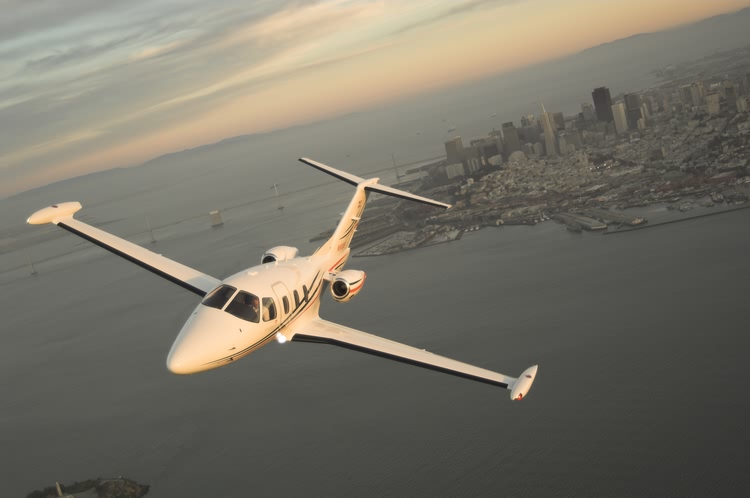
The table below compares five popular routes. Each figure is an indicative one-way estimate for the whole aircraft, not a per-seat price, rounded from published 2025–2026 market ranges and checked against the hourly table above.
| Route | Aircraft category assumed | Approx. flight time | Indicative one-way estimate (USD) |
| New York–Miami | Light jet (midsize about 17,000–27,000) | 2.5–3 hours | $12,000–$20,000 |
| New York–Los Angeles | Super-midsize jet (larger jets cost more) | 5–5.5 hours | $38,000–$60,000 |
| New York–London | Heavy or ultra-long-range jet | 6.5–7.5 hours | $75,000–$145,000 |
| Los Angeles–Las Vegas | Light jet | 1–1.5 hours | $7,000–$13,000 |
| Dubai–London | Heavy jet | 7–8 hours | $65,000–$110,000 |
Assumptions behind these estimates:
- Prices are one-way unless stated, for the full aircraft, and roughly all-in for a standard trip: base charter, typical positioning, taxes, and standard airport fees.
- Premium catering, ground transport, overnight crew and hangar costs, and de-icing are excluded.
- Ranges are rounded from published 2025–2026 market ranges. They are wide on purpose, because live quotes depend on where the aircraft is, the date, and demand.
- Holidays, major sporting events, and peak seasons can push prices well above these ranges.
- Round trips are often priced at less than double the one-way figure when the return leg avoids extra positioning. Some operators commonly quote around 1.6 to 1.9 times the one-way price, but that varies by trip.
What shapes each route:
- New York–Miami is a busy corridor, so availability is usually good, though winter weekends and holidays price higher. Many travelers use Teterboro and a Florida airport such as Opa-locka, Fort Lauderdale, or Palm Beach.
- New York–Los Angeles is transcontinental, so a super-midsize jet is typically the practical starting point for nonstop travel. One-way pricing can be steeper because the aircraft has to return to the other coast.
- New York–London, one of Zephyr Jets’ core routes, needs a heavy or ultra-long-range jet, and international handling, permits, and airport charges add to the total. (Airport choice at the London end alone can move the price — see our guide to the best airports for private jets in London.)
- Los Angeles–Las Vegas is short, so minimum billable time and positioning make up a large share of the price. The effective hourly cost can look high even though the total is modest.
- Dubai–London is a long-haul trip where westbound and eastbound flight times differ, and permits, slots, and handling influence the price alongside the aircraft. On Zephyr Jets’ other core long-haul corridor, Dubai–Los Angeles, expect an ultra-long-range jet and a one-way planning range in the region of $180,000–$300,000, driven mainly by 16+ hours of billable time.
If you want to compare real availability on these corridors, check the empty leg specials page for routes that frequently see repositioning flights.
What Affects Private Jet Charter Cost?
Two trips that look similar on a map can price very differently. These are the main drivers:
- Aircraft type. Category is the biggest lever. Choosing the smallest aircraft that fits your passengers, bags and runway needs can save thousands per trip.
- Distance and flight time. Longer flights mean more billable hours and more fuel. Distance also decides which aircraft can fly nonstop, which can force you into a larger category.
- Repositioning. When the aircraft starts elsewhere, or must fly home empty, those legs can be billed. As the worked example shows, this is the most common reason two quotes for the same route differ.
- Airport and FBO fees. Landing fees range from about $100 at small airfields to well over $1,000 at busy airports, and ramp and handling charges commonly run a few hundred dollars per stop. Choosing a secondary airport can trim these — the trade-offs by city are covered in our London airport guide.
- Taxes. Domestic Part 135 charters generally carry the 7.5% federal excise tax and the $5.30 per-passenger segment fee (2026). International trips may avoid US domestic excise tax but add an international facilities charge, overflight, permit, customs and handling charges.
- Seasonality and events. Peak periods — late December, Thanksgiving week, Super Bowl weekend, major race and art events — tighten availability and raise prices, sometimes materially. There is no fixed peak surcharge percentage; it is set by live demand.
- Trip shape and extras. Overnight crew, hangar and de-icing, premium catering, metered Wi-Fi, ground transport and pet or cleaning fees all appear on real quotes.
As a planning rule, the total trip cost often lands roughly 20–40% above the base hourly charge once taxes, fees and positioning are added. Your own quote may be lower or higher — the worked example above sits inside that range.
What’s Included and What’s Extra?
Inclusions depend on the operator and the contract, so read the quote line by line. Typical patterns:
Usually included in the base price: the aircraft and crew for the occupied flight time; fuel at the current market price; standard insurance and operator overhead; basic refreshments such as water, soft drinks and light snacks.
Often shown separately or charged as extras: federal excise tax, segment fees and other government charges; landing, ramp and handling fees; positioning legs and daily or per-leg minimums; overnight crew, hangar and de-icing; premium or custom catering; metered in-flight Wi-Fi; ground transportation, pet and special cleaning fees; international permits, customs handling and overflight charges.
“All-inclusive” does not mean the same thing across quotes. Ask exactly what is covered, request the itemized breakdown, and compare totals for the identical itinerary. Zephyr Jets quotes are itemized so you can see each component of your trip cost — and under Zephyr Jets’ published terms, there is no charge until you have signed a flight confirmation.
How to Charter a Private Jet for Less
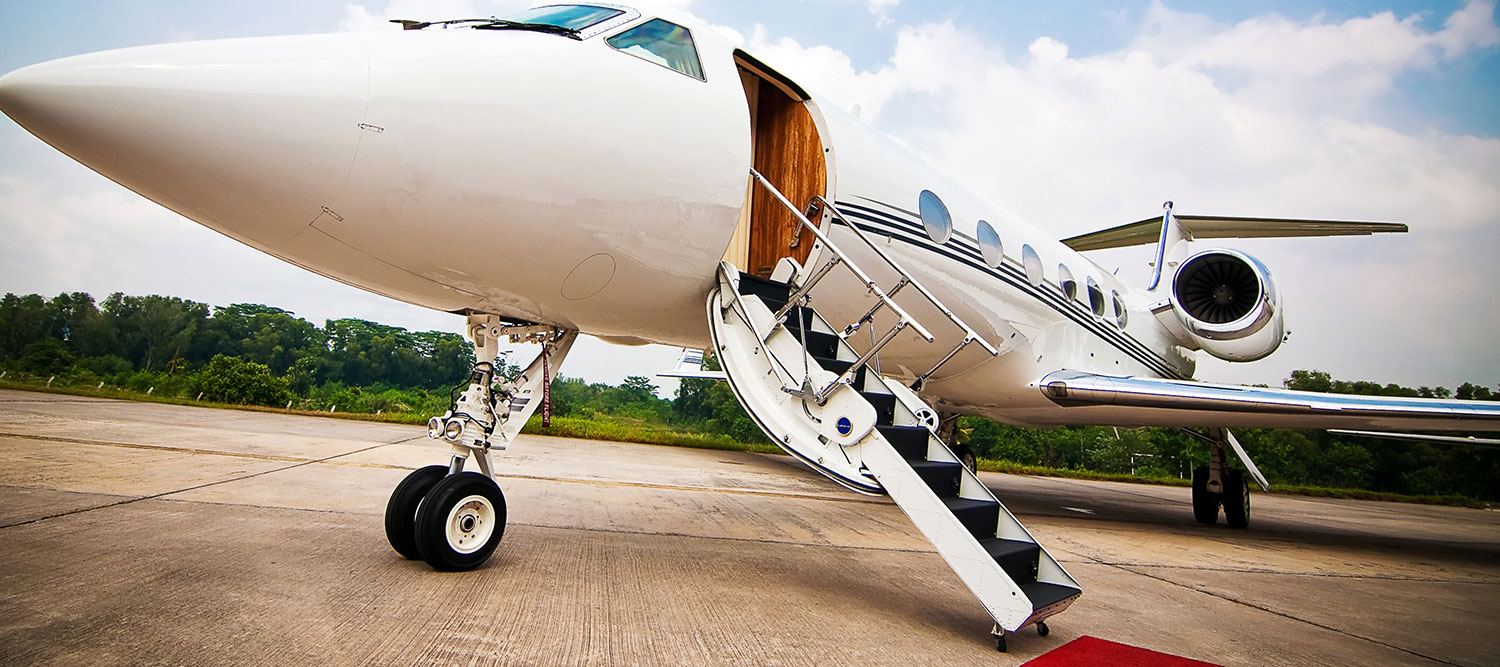
The cheapest way to charter a private jet is usually a combination of flexibility and right-sizing. These are the approaches that move the price the most.
Look at empty legs
An empty leg is a repositioning flight the aircraft has to make anyway, so operators discount it to recover part of the cost — industry sources commonly cite savings of roughly 25–75% against a standard charter on the same aircraft and route. The trade-off is flexibility: empty legs are one-way, tied to the operator’s schedule, sold as the whole aircraft, and can move if the underlying booking changes. Our dedicated guide to empty leg flights cost covers the pricing in full; for live availability, check the daily empty leg listings and private jet charter specials.
Be flexible on dates
Shifting departure by a day can unlock an empty leg or avoid a peak-demand price. Booking earlier ahead of busy periods generally gives you a better choice of aircraft and pricing — although Zephyr Jets can still arrange departures in as little as four hours when an aircraft is available.
Consider nearby airports
A secondary or regional airport can reduce landing and handling fees, shorten positioning, and put you closer to your final destination.
Choose an appropriately sized aircraft
A midsize jet is not needed for a 90-minute hop with two people. Match the aircraft to passengers, luggage, range and runway rather than to the biggest cabin you can afford, and ask for alternatives in the quote so you can trade space for savings.
Compare complete itinerary quotes
Use the same dates, airports, passenger count and extras for every quote. A low hourly rate can hide extra billable hours or fees; compare the total trip price, and ask how billable time is calculated.
Charter vs. Jet Card vs. Ownership vs. First Class
Chartering on demand is only one way to fly private. The right choice depends on how often you travel and how much flexibility you want.
| Option | How you pay | Flexibility | Often suits | Watch-outs |
| On-demand charter | Per trip, quoted for your itinerary | High — a different aircraft each trip | Occasional flyers and one-off trips | Pricing varies with market and availability |
| Jet card | Prepaid block of hours, commonly starting around 25 hours | Moderate: set hourly rates, availability terms vary | Regular flyers wanting predictable pricing | Fuel surcharges, taxes, positioning, refund and expiry terms |
| Fractional ownership | Share purchase plus monthly management fee and hourly charges | Moderate — tied to the program fleet | Frequent flyers with steady annual hours | Large upfront commitment and long contract terms |
| Full ownership | Purchase price plus crew, hangar, insurance, and maintenance | High, but locked to one aircraft | Very high annual usage | Fixed annual costs can reach seven figures even before flying |
| First class (commercial) | Per seat | Low: airline schedules and airports | Solo or small-party travel | Terminal time, connections, and fewer airports |
For most travelers who fly private only a few times a year, on-demand charter is the simplest and most flexible option, because you pay only for the trips you take. If you are weighing a prepaid program, read our guide to the 25-hour jet card cost before committing.
Private charter vs. first class cost
The private charter vs first class cost comparison comes down to passenger count. A charter price covers the whole aircraft, so divide it by the number of travelers. For example, a $40,000 one-way charter with eight passengers works out to $5,000 each, which you can compare with the first-class fare on your route and dates. For a solo traveler, a commercial ticket is almost always cheaper. For a full cabin on a busy route, the gap narrows, and a charter also saves time, avoids connections, and uses smaller airports. For more on the comparison, see Empty Legs vs. First Class Tickets and Share a Private Jet and Spend Less than First Class Tickets.
Frequently Asked Questions
How much does it cost to charter a private jet per hour?
Private jet charter cost per hour ranges from about $2,000–$3,500 for turboprops to $12,000–$19,000 or more for ultra-long-range jets. Light jets are typically $3,000–$5,500, midsize jets $4,000–$8,000, and heavy jets $8,000–$15,000. Taxes, positioning and fees are added on top.
How much does it cost to rent a private jet overall?
There is no single average cost to charter a private jet. Many one-way domestic trips fall between roughly $7,000 and $65,000, while long international flights on heavy or ultra-long-range jets can reach $75,000–$145,000 or more. The aircraft, distance, positioning and travel date decide where your trip lands.
How much does it cost to charter a private jet from New York to Los Angeles, Miami, or London?
As indicative one-way estimates: New York to Miami on a light jet is about $12,000–$20,000; New York to Los Angeles on a super-midsize jet about $38,000–$60,000; and New York to London on a heavy or ultra-long-range jet about $75,000–$145,000. Live quotes vary with availability and date.
How much does it cost to charter a private jet from Los Angeles to Las Vegas or from Dubai to London?
Los Angeles to Las Vegas on a light jet is roughly $7,000–$13,000 one-way for about an hour of flying, with minimums and positioning forming a large share. Dubai to London on a heavy jet is roughly $65,000–$110,000 one-way for a 7–8 hour flight. Permits, handling and positioning can shift both figures.
How much does it cost to charter a private jet for 8–10 passengers?
For 8–10 passengers you typically need a super-midsize or heavy jet, so budget hourly rates of roughly $6,000–$15,000. A 3-hour flight on a super-midsize jet might run about $18,000–$31,500 in base charges, before taxes, fees and positioning. Confirm seat count and luggage capacity with the operator — not every aircraft in a category seats 10 with full bags.
How much do empty leg flights cost?
Empty leg prices depend on the aircraft, route and timing — from a few thousand dollars for a short light-jet leg to $50,000 or more for a long heavy-jet leg. Industry sources commonly cite discounts of about 25–75% versus a standard charter, but no empty leg is guaranteed to be cheaper. Our empty leg cost guide covers this in full.
Is a private jet charter cheaper than first class?
For one traveler, first class is almost always cheaper. Charter cost is shared across everyone on board, so a full cabin on a busy route can bring the per-person price closer to premium fares. Divide your total charter quote by passengers and compare it with current first-class fares on the same route.
What is the cheapest way to charter a private jet?
Combine flexibility with the right aircraft size: consider an empty leg, shift dates away from peak days, use a nearby airport, and avoid a larger cabin than you need. Always compare itemized quotes built from the same itinerary.
Get an Itemized Quote for Your Itinerary
Hourly rates and route averages are useful for planning, but the only number that matters is the one built around your trip. Tell us where you are flying, when, and with how many passengers, and we will compare aircraft options and send an itemized quote. You can request a quote or charter a private jet online, learn more about how to book a private jet, or contact our team directly at +1-212-561-5500.
Disclaimer: Prices in this article are indicative planning ranges, not quotes, and can change with fuel, demand, availability and taxes. Zephyr Jets is a charter broker and does not own or operate the aircraft on which clients fly; flights are operated by independent certificated air carriers.
